
You are successfully logged out.

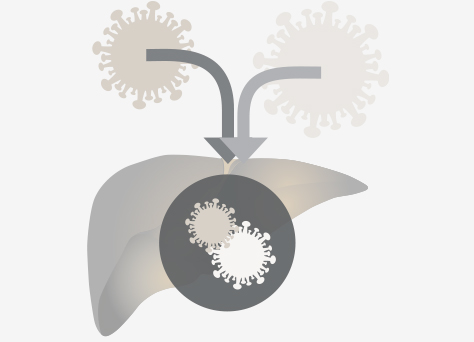
Hepatitis Delta (or hepatitis D) is a chronic inflammation of the liver caused by infection with two viruses, the hepatitis B virus (HBV) and the hepatitis D virus (HDV): 1,4 HDV cannot cause infection by itself; it requires the presence of HBV to multiply in liver cells.4, 5
Anyone with hepatitis B is at risk of hepatitis D.4

Hepatitis Delta is transmitted through contact with blood and other body fluids of an infected person.6 For example, through4,7:

The infection often causes no obvious symptoms. These include4:
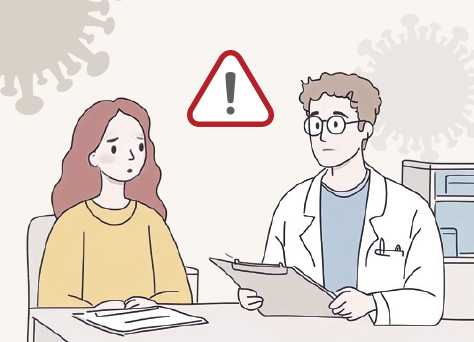
Hepatitis Delta has more serious clinical consequences than hepatitis B2 and is characterised by a more rapid progression than hepatitis B2,3: the risk of cirrhosis and cancer is greater, thus increasing the likelihood of requiring a liver transplant or death, even at a young age.1



to take free tests for HBV, HCV, and HIV and receive information and assistance on hepatitis Delta.
To take the test and receive further information, always refer to your Local Health Authority.
Bibliographic references
Material Code: IT-UNB-3142